Western Style Weddings in Japan
Has Moved!
This page has moved to Seiyaku.com.
You will be redirected there in 10 seconds.
Many couples in Japan today want a western style wedding (Kirisuto kyo kekkon shiki). There can be several reasons, but the most popular are:
- A western style wedding is usually less expensive than a traditional Japanese style wedding (shinzen shiki).
- A western style wedding has a more exotic feel than the traditional Japanese style.
- Just close family attend the traditional Japanese style wedding, whereas many friends and extended family are invited to a western style wedding.
- Western style is considered more romantic.
- Western style is lighter in spirit, modern, and less tiring.
- Western style is seen (and therefore promoted) in many movies.
This page has some photos (totaling 200KB) which may take a little time to download. Please wait.
Note, this page also has a brief english-japanese wedding glossary and a western style wedding checklist.
Chapel
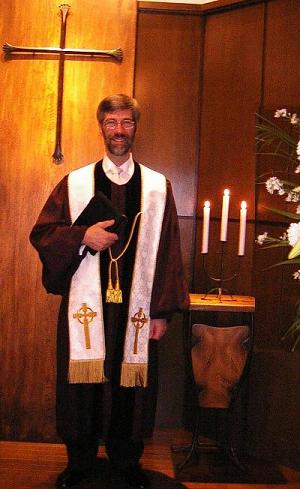
The wedding service is conducted in a chapel. The chapel can be a simple one or it can be quite elaborate. The wedding couple can choose the style that they feel is appropriate. Typically, the chapel is part of a larger facility designed for weddings, including a room suitable for the bride to dress and be made up, private rooms for the groom, the bride's father and any other important guest who needs a facility for changing and preparing. There is a place for the families to meet and formally introduce themselves, a studio for photographs, and of course, a suitable place for the reception party. Each part of the complex is staffed by highly trained professionals who make it their business to ensure the couple enjoy their special day.
Wedding Ceremony Rehearsal
The service is preceded by a rehearsal of the ceremony. The bride (shinpu) and groom (shinro) can therefore review the service and then put on their best performance with the minimum of stress. Then the guests and family enter the chapel and take their places.
Wedding Procession (shinpu no nyujo)
After a brief welcome and introduction, the chaplain announces the bride. The doors swing open and all faces turn to see the bride gracefully enter and walk down the aisle. Usually the bride is escorted on her father's arm. The wedding procession often includes a ring bearer, best man, ushers, bridesmaids or flower girls. "This is a magnificent moment" explains one chaplain I spoke to. "The accompanying music can be a pipe organ, a choir, a trumpet, flute, Gospel singer, or whatever the couple want. We've even had Scottish bagpipes! Whatever is chosen, the music is always fabulous. Sometimes I want to tell the bride to go out and come in again, just so I can listen to the music one more time!".
Wedding Service (kekkon shiki)
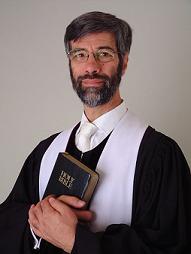
Then the service starts. It follows the pattern of a traditional English Protestant marriage ceremony, largely unchanged for hundreds of years. The opening hymn is usually the Japanese version of 'What a Friend We Have in Jesus'. This is probably the most widely known Christian hymn in Japan, so everyone can join in. The chaplain is from England, and his mild, British accent gives the service a distinctive voice.
Part of Corinthians I chapter 13 is then read from the Bible. This reading does an amazing job of explaining what 'love' is, something great poets spend their whole lives trying to define better, but cannot!
After the bible reading, there is a prayer followed by a short message that explains the sanctity of marriage and the importance of the wedding vows (seiyaku). Then the bride and groom declare their wedding vows and exchange wedding rings (yubiwa no kokan). The chapel register (shomeisho) is signed and the marriage is announced (kekkon-sengen). This is usually followed by the "wedding kiss", and although some couples are shy to kiss even lightly in front of so many guests, it is a lovely, ancient display, demonstrating that the mutual seal of the contracts is made. The service concludes with another hymn and a benediction.

Western Wedding Service
Checklist
- Corsage
- Hand Bouquet
- Chapel simple/ornate
- Bridal makeup room
- Groom's room
- Father/other rooms
- Family meeting room
- Photography room
- Reception room
- Wedding procession
- Service Music, Singers
- Reception Music, Singers
- Photographer
- Videographer
- Service Details
- Wedding rings
- Wedding vows
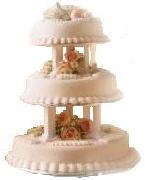
- Wedding Cake
- Language: English, Nihongo, Mixed
- Candle lighting
- Speeches
- Departure showers
- Bouquet throwing
- Arranger (one, or many)
- Experienced staff